 ASSEMBLEIA GERAL EXTRAORDINÁRIA TRT
 ASSEMBLEIA GERAL EXTRAORDINÁRIA
 SINDIJUFE-MT PARTICIPA DA XXV PLENÁRIA NACIONAL DA FENAJUFE E REFORÇA MOBILIZAÇÃO POR REESTRUTURAÇÃO DAS CARREIRAS E DERRUBADA DO VETO 45
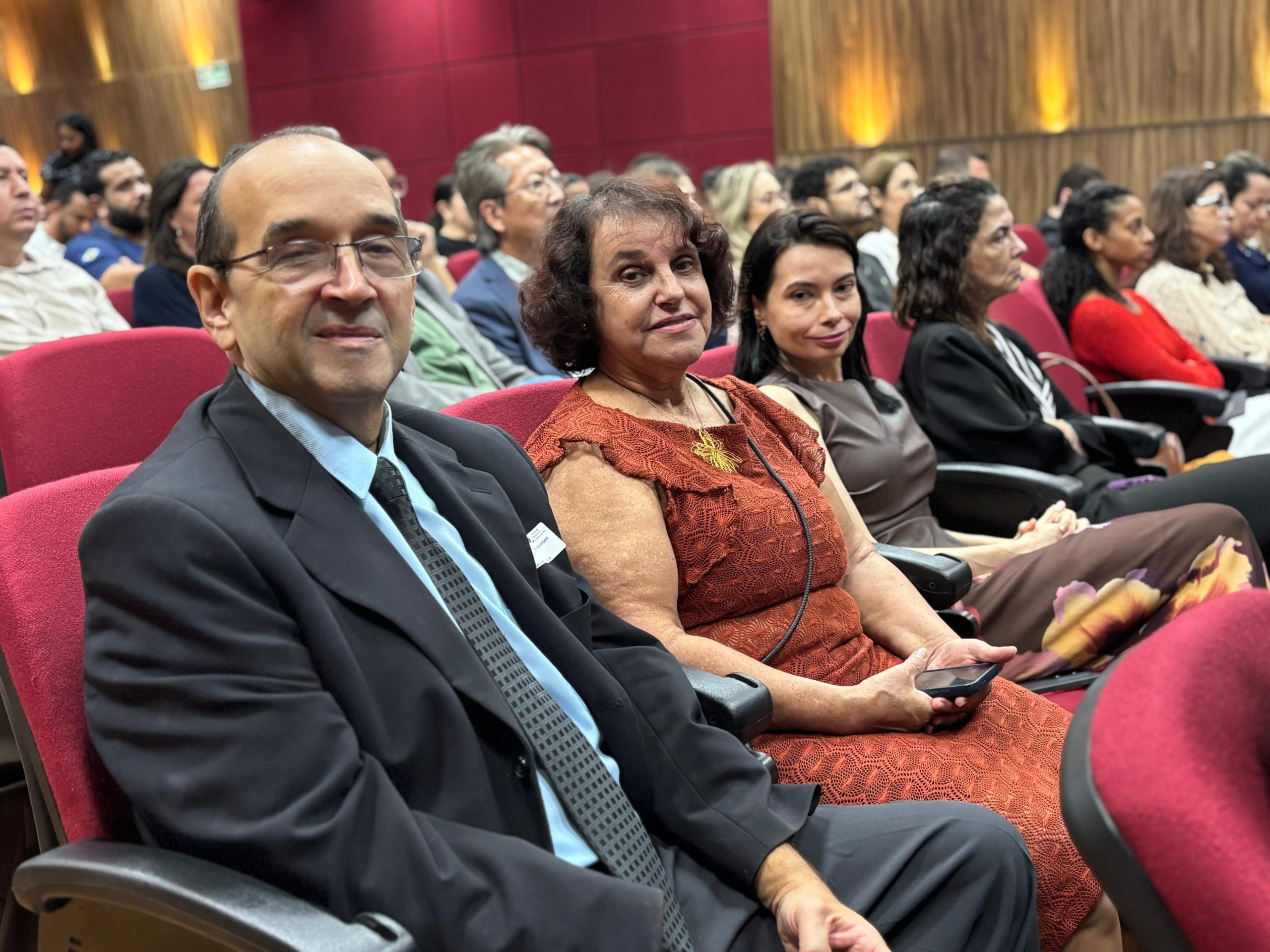
 PALESTRA NO TRE-MT
 DECISÃO NO TSE
 JURÍDICO EM AÇÃO
 REUNIÃO DO FÓRUM DE CARREIRA QUE ACONTECERIA NESTA SEXTA-FEIRA, 15 DE MAIO, É SUSPENSA.
 MOBILIZAÇÃO EM BRASÍLIA


Introduction: The Convergence of Gaming, Blockchain, and Digital Asset Ownership
Over the past decade, the landscape of digital entertainment has evolved dramatically, transitioning from passive content consumption to active participation in decentralized ecosystems. Central to this transformation is the emergence of non-fungible tokens (NFTs) and their integration into interactive gaming experiences. Unlike traditional digital assets, NFTs certify unique ownership rights, appealing to both gamers and collectors alike. Industry analysts forecast that the global NFT market, which surpassed $20 billion in 2022, will expand further as more immersive, interactive platforms emerge.
Emergence and Significance of Interactive NFT Games
Interactive NFT games—also referred to as play-to-earn (P2E) ecosystems—are redefining what it means to engage with digital assets. These platforms fuse game mechanics with blockchain technology, allowing users not only to play but also to earn, trade, and genuinely own in-game assets. Such games differ markedly from traditional titles by leveraging tokenization to establish verifiable scarcity and provenance of rare items, characters, and land parcels.
“Ownership in digital worlds is no longer hypothetical; it is a verifiable, tradable reality—something that is catalyzed by the game’s integration with blockchain technology.” — Jean-Luc Martin, Industry Analyst at Blockchain Insights
In this context, the Chronexis Game app exemplifies cutting-edge development within this niche—merging elaborately crafted gameplay with decentralized asset ownership, powered by blockchain protocols. Its ecosystem embodies the evolution from mere entertainment toward dynamic digital economies.
Technical Foundations and Industry Insights
Blockchain Infrastructure Supporting NFT Gaming
Leading interactive NFT games primarily build on blockchain networks such as Ethereum, Binance Smart Chain, and Solana. These platforms offer scalability, security, and the development environment necessary for deploying complex in-game assets that users can trade externally. For example:
| Blockchain Platform | Transaction Speed | Native Token | Notable NFT Games |
|---|---|---|---|
| Ethereum (ETH) | ~13 seconds | ETH | Decentraland, Axie Infinity |
| Solana (SOL) | ~0.4 seconds | SOL | Star Atlas, Aurory |
| Binance Smart Chain (BSC) | ~5 seconds | BNB | CryptoBlades, Mobox |
These infrastructures facilitate seamless and secure transactions, crucial for player confidence and market liquidity. The evolution from proof-of-work to proof-of-stake and Layer 2 solutions is also significant, reducing environmental impact and transaction fees, thus broadening accessibility.
Design Principles and Player Engagement Strategies
Successful interactive NFT games prioritize player ownership and community participation. Unlike conventional gaming, they implement comprehensive tokenomics—balancing incentivization, rarity, and utility—to foster long-term engagement. This includes episodic content, staking mechanisms, and cross-platform interoperability.
As an illustrative case, Chronexis Game app stands out by integrating layered gameplay with blockchain-powered asset management, showcasing innovative mechanics such as real-time asset trading and earn-to-play rewards. Such platforms serve as proving grounds for sustainability and scalability in blockchain gaming.
Challenges and Future Directions
Addressing Scalability and User Experience
Despite rapid growth, the NFT gaming industry faces hurdles including high gas fees, network congestion, and complex onboarding processes. Addressing these issues requires technological innovations like Layer 2 scaling solutions, user-friendly interfaces, and standards for interoperability.
Regulatory Landscape and Ethical Considerations
Regulatory clarity regarding NFTs remains nascent, with potential implications for market stability and investor protection. Ethical questions concerning environmental impact and digital rights management are also at the forefront of industry discussions.
Forward-looking industry experts emphasize the importance of transparent, sustainable development practices that prioritize player rights and community governance.
Concluding Insights: The Market’s Trajectory and Investment Opportunities
Interactive NFT games are poised to anchor the next wave of the digital economy, blending entertainment with tangible economic incentives. As technological barriers diminish and user adoption accelerates, platforms like the Chronexis Game app exemplify innovative leadership, translating complex blockchain capabilities into accessible gameplay experiences.
Investors and developers alike should monitor this space for emerging trends—including cross-chain interoperability, augmented reality integration, and evolving governance models—that will shape the sustainable expansion of NFT-powered gaming ecosystems.
Pro Tip:
Engaging with credible platforms such as the Chronexis Game app offers valuable insights into innovative interactive NFT mechanics, setting industry benchmarks for security, gameplay depth, and community engagement.